
The Importance of Early Intervention for Constipation in Children and the Role of Pelvic Physical Therapy

Updated: Oct 13, 2025
Constipation is a common issue that affects many children, yet it often goes unaddressed until it becomes a more serious problem. Early intervention is crucial for managing constipation effectively, as bowel problems can lead to significant improvements in a child's overall health and well-being. This blog post will explore the importance of addressing constipation early in children and how pediatric pelvic physical therapy can play a vital role in treatment.
Understanding Constipation in Children
Constipation is defined as infrequent bowel movements or difficulty passing stools. In children, it can manifest in various ways, including hard stools, abdominal pain, and a reluctance to use the toilet. The causes of constipation can range from dietary factors to psychological issues, making it essential for parents to recognize the signs early.
Many parents may not realize that constipation can lead to more severe complications if left untreated. Chronic constipation can result in fecal impaction, which may require medical intervention. Additionally, it can affect a child's quality of life, leading to anxiety around bowel movements and even social withdrawal.
The Importance of Early Intervention
Addressing constipation early in children is vital for several reasons. First and foremost, early intervention can prevent the development of more severe complications. Early treatment can also help alleviate the discomfort and anxiety associated with constipation. Children who experience pain during bowel movements may develop a fear of using the toilet, leading to a cycle of avoidance and worsening constipation. Additionally, early intervention can improve a child's overall health by avoiding the associated abdominal pain, nausea, and decreased appetite. By managing constipation effectively, parents can help their children feel better physically and emotionally.

Signs of Constipation in Children
Recognizing the signs of constipation is crucial for early intervention. Some common indicators include:
Infrequent bowel movements (fewer than three times a week)
Hard, dry stools
Painful bowel movements
Abdominal pain or discomfort
A reluctance to use the toilet
Parents should be vigilant in observing their child's bowel habits and seek medical advice if they notice any of these signs. Early recognition can lead to timely intervention and better outcomes.
Dietary Considerations for Constipation Management
One of the first steps in managing constipation is to evaluate a child's diet. A diet high in fiber can significantly improve bowel regularity. Foods such as fruits, vegetables, whole grains, and legumes are excellent sources of fiber that can help alleviate constipation.
In addition to fiber, ensuring adequate hydration is essential. Children should drink plenty of water throughout the day to help soften stools and promote regular bowel movements. Parents can encourage their children to drink water by making it a fun activity, such as using colorful cups or adding slices of fruit for flavor.

The Role of Pediatric Pelvic Physical Therapy
Pediatric pelvic physical therapy is a specialized form of therapy that focuses on the pelvic floor and core muscles and their role in bowel function. This type of therapy can be particularly beneficial for children experiencing constipation, as it addresses the underlying muscular issues that may contribute to the problem.
How Pelvic Physical Therapy Works
Pelvic physical therapy involves a comprehensive assessment of a child's entire body. Gastrointestinal function is impacted by posture, core strength, breathing patterns, reflex integrations, and pelvic floor strength and coordination. A trained therapist will evaluate muscle strength, stability, coordination, movement patterns and any potential dysfunctions. Based on this assessment, a personalized treatment plan will be developed.
Therapy may include exercises to strengthen the pelvic floor muscles, improve coordination, and promote relaxation during bowel movements. Techniques such as biofeedback may also be used to help children visualize and understand their body’s signals and improve their bowel habits. But that is not all therapy might work on. We might also address abdominal strength, balance, and body awareness to make it easier to identify bowel urges and effectively eliminate stool.
Benefits of Pediatric Pelvic Physical Therapy
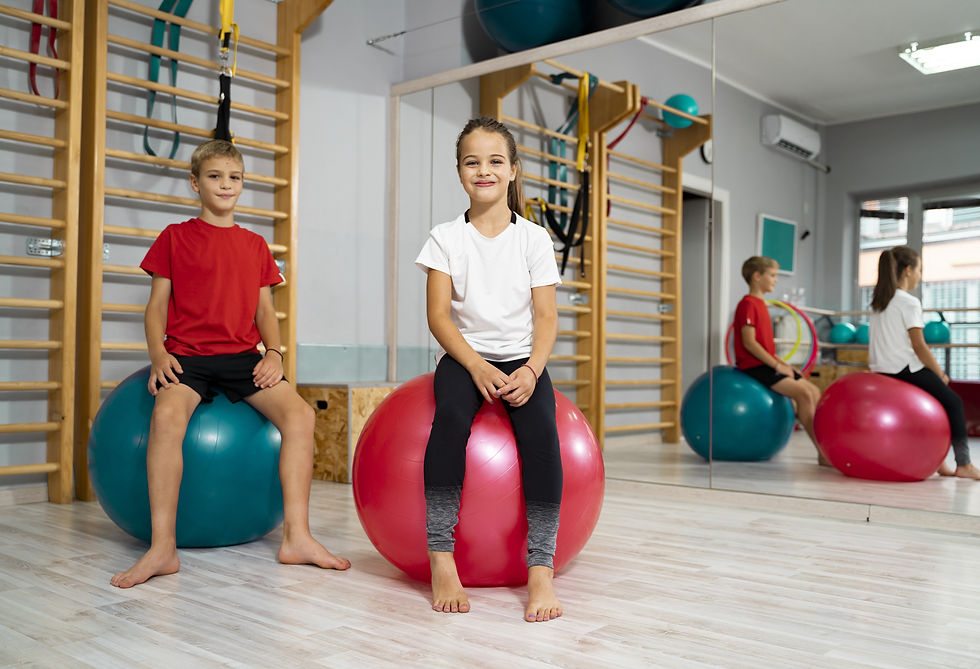
The benefits of pediatric pelvic physical therapy for constipation management are numerous. First, it can help children develop better control over their bowel movements, reducing the fear and anxiety often associated with constipation. Addressing core or stability issues may also lead to improved posture and sitting in the classroom and more confidence on the playground. And less pain and bowel leakage allows for greater confidence and the ability to particpate in sports, sleepovers and social events without worry about bathroom issues.
When to Seek Professional Help
Parents should not hesitate to seek professional help if they suspect their child is experiencing constipation. Consulting with a pediatrician is the first step, as they can provide guidance on dietary changes and other management strategies.
If constipation persists despite dietary adjustments, a referral to a pediatric pelvic physical therapist may be beneficial. These specialists can provide targeted interventions that address the specific needs of each child.
Conclusion
Constipation is a common yet often overlooked issue in children. Early intervention is crucial for preventing complications and improving a child's overall health and well-being. By recognizing the signs of constipation and seeking appropriate treatment, parents can help their children maintain a healthy relationship with their bodies and bathroom habits.
Pediatric pelvic physical therapy offers a valuable approach to managing constipation, addressing the underlying muscular issues that may contribute to the problem. With the right support and intervention, children can overcome constipation and regain their confidence!


Comments