
Real-Time Ultrasound in Pelvic Physical Therapy | Constipation, Incontinence & Postpartum Care
- Fundamental Physical Therapy

- Feb 19
- 4 min read
How Visualization Improves Outcomes for Kids, Pregnancy, and Postpartum Recovery
Real-time ultrasound imaging is an increasingly valuable tool in pelvic physical therapy, helping patients of all ages better understand and control muscles that are difficult to see or feel. From chronic constipation and bed-wetting in children to stress urinary incontinence, pregnancy preparation, and postpartum core recovery, ultrasound-guided pelvic therapy enhances learning, coordination, and confidence. Unlike medical diagnostic imaging, real-time ultrasound in pelvic physical therapy is used as visual biofeedback — it is non-invasive, pain-free, and performed externally.
What Is Real-Time Ultrasound Imaging in Pelvic Physical Therapy?
Real-time ultrasound (RTUS) allows pelvic physical therapists to observe muscle activity as it happens. A small probe is placed externally on the lower abdomen or perineum to visualize:
Pelvic floor muscle contraction and relaxation
Abdominal and deep core muscle activation
Bladder and rectal positioning during movement
This tool is especially helpful when treating:
Pelvic floor dysfunction
Bowel and bladder issues
Pregnancy and postpartum conditions
Pediatric pelvic floor disorders
Seeing muscles move in real time helps patients learn how to activate or relax correctly, rather than guessing.
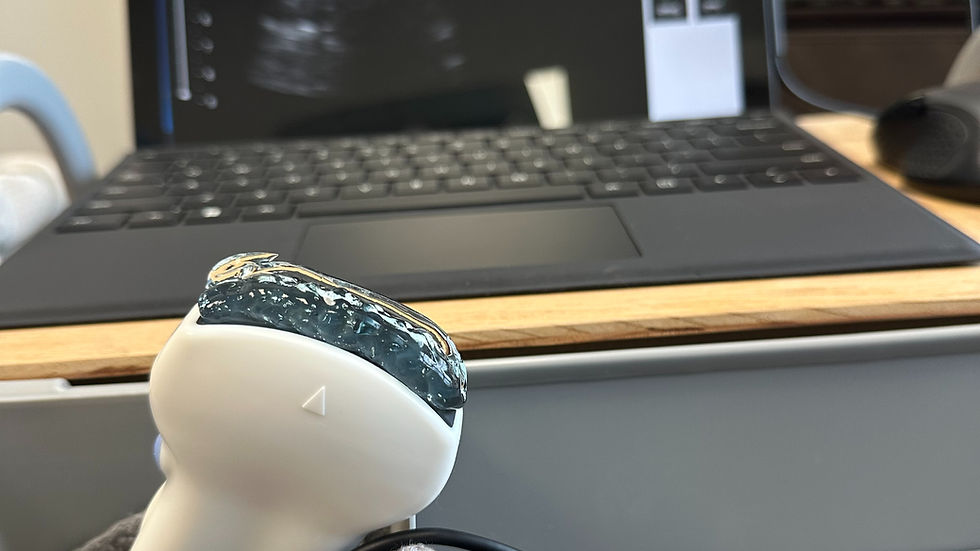
Using Ultrasound to Visualize Rectal Diameter in Children with Chronic Constipation and Bed-Wetting
Chronic constipation and bed-wetting (nocturnal enuresis) are common concerns in pediatric pelvic physical therapy. Retained stool can stretch the rectum and interfere with bladder signaling, often contributing to urinary accidents.
How Real-Time Ultrasound Helps Children with Constipation
Visualizes rectal diameter to identify stool retention
Provides objective, non-invasive feedback for families
Helps children understand the connection between bowel habits and bladder control
Ultrasound-guided education can:
Improve adherence to bowel programs
Reduce fear or embarrassment
Support long-term toileting success
For many families, seeing the rectum on ultrasound clarifies why symptoms persist and how therapy helps.

Visualizing Pelvic Floor Muscle Contraction for Stress Urinary Incontinence
Stress urinary incontinence — leaking with coughing, sneezing, running, or lifting — often results from poor pelvic floor coordination rather than simple weakness.
Ultrasound in Pelvic Floor Therapy Allows Patients to:
See pelvic floor muscle lift during contraction
Identify improper strategies like breath-holding or overusing abdominal muscles
Improve timing of pelvic floor activation during daily activities
This visual feedback is especially helpful for:
Postpartum patients
Athletes returning to impact
Individuals frustrated by ineffective Kegel exercises
Real-time ultrasound improves accuracy and confidence in pelvic floor muscle training.
Ultrasound Visualization of Pelvic Floor Relaxation for Birth Preparation
Pelvic physical therapy during pregnancy focuses on both strength and relaxation. Many pregnant patients struggle to relax the pelvic floor, which can affect pushing efficiency during labor.
Real-Time Ultrasound Helps With:
Learning pelvic floor relaxation techniques
Coordinating breath with pelvic floor descent
Preparing for effective pushing during vaginal delivery
This is particularly beneficial for individuals who:
Tend to clench or guard
Have a history of pelvic pain or constipation
Want to feel more prepared for childbirth
Seeing pelvic floor relaxation on ultrasound reinforces that letting go is just as important as strengthening.

Observing Abdominal and Core Activation for Postpartum Recovery
Postpartum recovery often includes challenges with core weakness, poor muscle coordination, and conditions like diastasis recti. Real-time ultrasound allows pelvic physical therapists to assess:
Transverse abdominis and oblique activation
Core–pelvic floor coordination
Compensation patterns during exercise
Benefits for Postpartum Core Strengthening:
Safer progression of exercises
Improved control before returning to fitness or sport
Better long-term outcomes for core stability
Patients can visually confirm when deep core muscles are activating correctly, improving exercise effectiveness.

Why Real-Time Ultrasound Improves Pelvic Physical Therapy Outcomes
Pelvic floor dysfunction often involves muscles that are difficult to sense internally. Visualization improves neuromuscular awareness, which is key for lasting results.
Benefits of Ultrasound-Guided Pelvic Physical Therapy Include:
Faster learning
Improved muscle coordination
Reduced frustration
Increased patient confidence
For children, pregnant patients, and postpartum individuals, ultrasound makes pelvic therapy more approachable and empowering.
A Safe, Non-Invasive Tool for Pelvic Health at Any Age
Real-time ultrasound imaging is safe, gentle, and appropriate for:
Children with bowel and bladder dysfunction
Pregnant individuals
Postpartum recovery
Adults with pelvic floor conditions
By allowing patients to see what their muscles are doing, pelvic physical therapy becomes clearer, more effective, and more personalized.
If you or your child are experiencing bowel, bladder, pregnancy-related, or postpartum pelvic floor concerns, working with a pelvic physical therapist trained in real-time ultrasound can be an important step toward recovery.
The Importance of Seeking Help Early
It's essential to address pelvic health issues early. Many parents may hesitate to seek help, thinking these problems will resolve on their own. However, early intervention can lead to better outcomes.
Why Early Intervention Matters
Prevention of Complications: Addressing issues like chronic constipation or bed-wetting early can prevent more severe problems later.
Building Confidence: Children who receive help early often feel more empowered and confident in managing their bodies.
Creating Healthy Habits: Early intervention helps establish healthy habits that can last a lifetime.
Conclusion
In conclusion, real-time ultrasound imaging is a game-changer in pelvic physical therapy. It provides valuable insights for children, pregnant individuals, and postpartum patients. By visualizing muscle activity, we can enhance understanding and improve outcomes. If you're facing pelvic health challenges, don't hesitate to reach out for help. Remember, you are not alone on this journey!
For more information on how ultrasound can help, check out Fundamental Physical Therapy.


Comments